



Bringing home a new cat is exciting, heartwarming, and—let’s be honest—a little nerve-wracking. Kitties are creatures of habit, and even the friendliest feline may need time to adjust to a new environment. At Parkland Veterinary Hospital in Central Alberta, our veterinarians have guided countless families through the early stages of adoption. With the right preparation, patience, and understanding, you can help your feline companion feel safe, loved, and right at home.
The First Days After Adoption Matter Most
When you first bring your new cat home, everything smells, sounds, and looks unfamiliar to her. This can be overwhelming, especially for a rescue or shelter cat who’s already experienced change. We recommend setting up a calm, quiet space before your kitty arrives.
Choose a small room—such as a bathroom, laundry room, or guest room—where your new friend can retreat and adjust gradually. Include food, water, a litter box, toys, and a cozy bed.
Resist the urge to show them the whole house right away. Cats like to explore on their own terms, and letting them adjust one room at a time helps prevent stress. This is one of the most important cat adoption tips our team shares with new pet parents.
Introducing Your New Cat to the Family
Your new feline pal will soon be curious about the rest of the household, but slow introductions are key. Rushing can cause fear, territorial behavior, or even aggression. Our veterinarians in Central Alberta often remind clients that a calm introduction sets the tone for lifelong harmony.
Tips for a successful introduction:
- Let your cat explore one new area at a time.
- Keep other pets or children away at first.
- Exchange scents before face-to-face meetings (rub a towel on each pet and let them smell it).
- Offer treats and praise for calm behavior.
Once your new cat feels secure, you can open more doors—literally and figuratively. If you already have other pets, consult our Central Alberta veterinary clinic for advice on safe, gradual introductions.
Creating a Safe and Stimulating Home Environment
Cats crave comfort, safety, and stimulation. Once your new feline companion is settled, enrich their environment to keep them happy and confident.
Essentials for your cat’s new home:
- Scratching posts or boards to protect furniture.
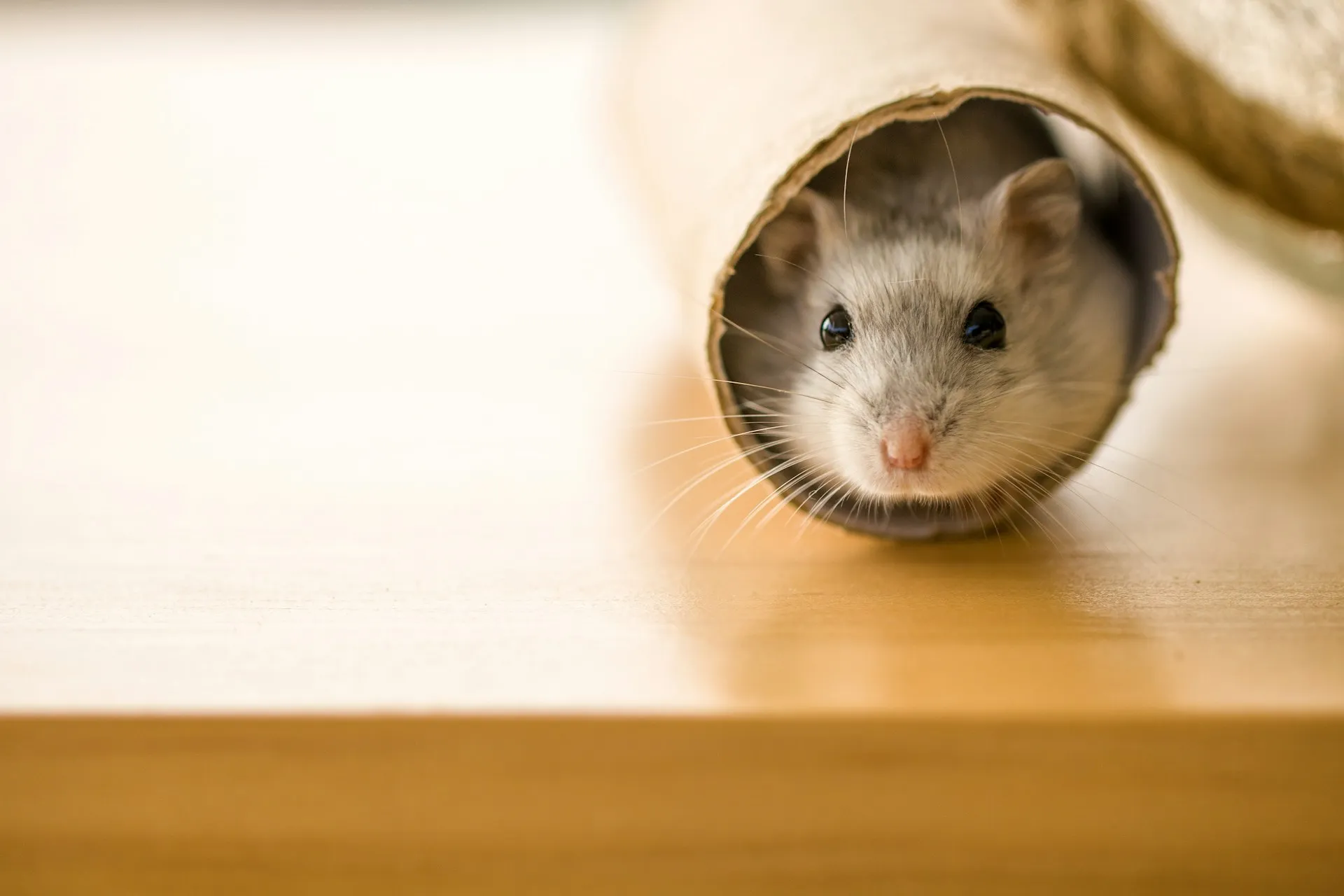
- Cozy hiding spots (boxes, tunnels, cat trees).
- Elevated perches to observe their new world.
- Interactive toys to keep their mind active.
A balanced environment helps with new cat adjustment by reducing anxiety and preventing boredom. Window perches are especially loved by cats; they offer entertainment, natural light, and a sense of territory.
Chewy has an article on bringing a cat home, which is here. Spruce Pets also has an article on adopting shelter cats. Click here to read it.
Building Trust Through Routine
Cats find security in predictability. Establishing a consistent daily schedule for meals, playtime, and quiet hours helps your new furry friend relax faster.
Feeding your cat at the same time each day creates positive associations and helps prevent overeating. Playtime before bedtime also helps them release energy, making nights calmer for both of you.
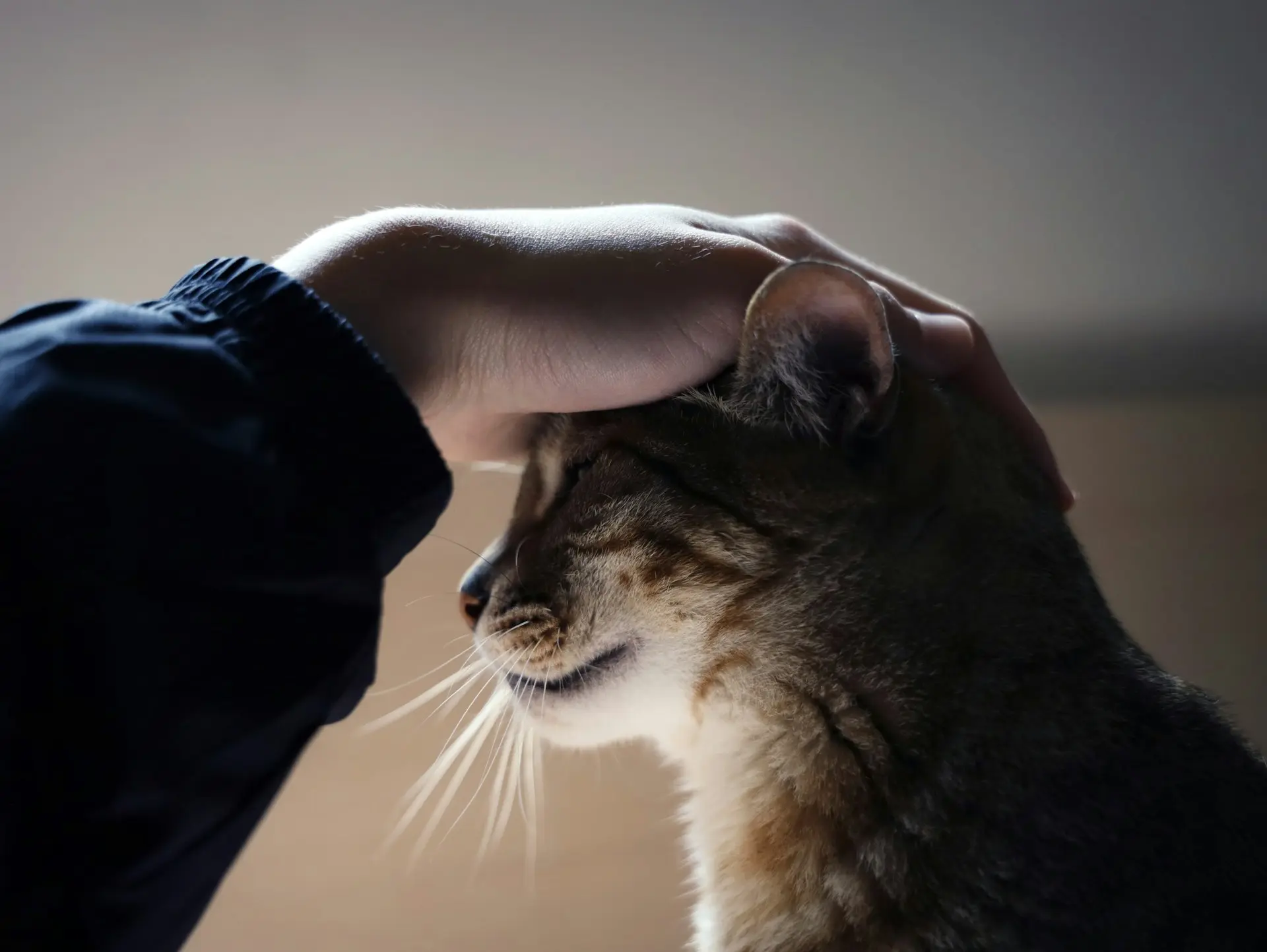
At Parkland Veterinary Hospital, we’ve seen firsthand how structure eases the introduction process. Even small habits—like greeting your feline friend softly or offering gentle pets—build trust over time.
Understanding Common New Cat Behaviors
It’s normal for your new cat to act shy, hide, or even refuse food for the first day or two. Adjustment takes time, and patience is the most powerful tool you have.
Here are a few behaviors you might see early on:
- Hiding: Your cat isn’t rejecting you—they’re observing from a safe space.
- Refusing food: Offer familiar-smelling meals or tuna water to encourage eating.
- Nighttime activity: Many cats are nocturnal or crepuscular. Gentle nighttime play can help.
We recommend avoiding punishment or loud corrections. Instead, reward curiosity, calmness, and affection with gentle praise or treats.
The Importance of the First Veterinary Visit
One of the first steps after adoption should be scheduling a checkup at your Central Alberta animal hospital. Even if your cat came from a rescue or breeder, it’s important to confirm vaccinations, test for parasites, and discuss spay/neuter options.
At Parkland Veterinary Hospital, your new cat’s first visit includes a complete physical exam, dental check, and guidance on nutrition and parasite prevention. Establishing a relationship with your veterinarian early on ensures your feline friend has a healthy start.
This is also the perfect time to ask questions about your cat’s behavior, diet, and litter habits. Our veterinarians are happy to guide you through each step of early pet parenthood.
Helping Your New Cat Bond with You
Building a strong relationship takes time. Let your cat set the pace for affection and attention. Sit quietly near them, speak softly, and offer treats or play without forcing interaction.
Cats build trust through positive experiences and predictability. The more gentle and consistent you are, the faster your cat will feel safe. Remember, earning a cat’s love is like winning an award; you don’t demand it; you earn it.
Ways to strengthen your bond:
- Schedule short daily play sessions.
- Use interactive toys like wands or balls.
- Let your cat come to you rather than chasing them.
- Reward calm, affectionate behavior.
Introducing New Cat to Other Pets
If you have other animals at home, introductions must be done carefully. Sudden meetings can lead to fear or territorial issues.
Start by keeping your new cat separated for several days. Allow the animals to sniff each other through the door. Gradually increase exposure with supervised visits.
If either pet becomes stressed, take a step back and slow down. Our Central Alberta veterinarians can offer custom plans for multi-pet households.
Pro tip: Never force interactions. Cats need time to build comfort and confidence before sharing space.
Common Mistakes to Avoid When Adopting a Cat
Even the most well-intentioned pet parents can make small mistakes during the adjustment period. Avoid these common pitfalls:
- Giving your cat too much freedom too soon.
- Skipping the vet visit after adoption.
- Ignoring subtle stress signals (like hiding or avoiding eye contact).
- Overstimulating your cat with constant petting or noise.
Remember, a calm environment and gentle routine are the keys to success. Your patience during these early weeks sets the foundation for a happy lifelong bond.
Fun Facts About Adopted Cats
- Adult cats often adjust faster than kittens because they’ve learned independence.
- Cats can recognize their names and even their owner’s voice tone after a few weeks.
- Many shelter cats become some of the most affectionate pets once they feel secure.
- Purring isn’t just for contentment—it can also be a self-soothing mechanism during stress.
These fascinating traits make cats both mysterious and wonderfully rewarding companions.
FAQs About Cat Adoption and Adjustment
How long does it take for a new cat to adjust to a home?
Most cats take one to three weeks to settle in fully. Some may feel comfortable in days, while shy cats might take a month or more.
Should I let my new cat explore the whole house right away?
No. Gradual introductions prevent sensory overload. Start small and expand your cat’s territory as their confidence grows.
How do I help my new cat and resident cat get along?
Swap scents before meetings, use barriers for introductions, and provide separate resources (food, water, litter boxes) at first.
What if my new cat hides all the time?
Be patient. Provide cozy hiding spots and avoid forcing interaction. Most cats emerge when they feel safe and familiar with their environment.
When should I bring my new cat to the vet?
Within the first week of adoption. Schedule an appointment at Parkland Veterinary Hospital in Central Alberta to discuss vaccines, nutrition, and wellness care.
Visit Our Central Alberta Veterinary Clinic for Cat Adoption Support
Bringing home a new cat is a beautiful experience filled with learning, love, and patience. At Parkland Veterinary Hospital in Central Alberta, our compassionate team is here to make your adoption journey smooth and successful. Are you searching for a friendly vet near me who understands feline behavior? Skip the search and visit our trusted veterinary clinic instead.
Call today to schedule your new cat’s first appointment and let us help them feel right at home.
To learn more about our Sylvan Lake vet clinic, also serving Central Alberta, including Red Deer and surrounding areas, and the pets we treat, check our Services page here. You can also look into our Wellness & Vaccinations page here.
This blog is for informational purposes only. Always consult your veterinarian for professional medical advice, diagnosis, or treatment for your pet.







!Social Media Icons