



Ah, the unmistakable sound of a cat preparing to leave you a surprise on the carpet. Every feline owner knows it well. Hairballs may be a normal part of cat ownership, but they’re not something any of us enjoy dealing with. At Parkland Veterinary Hospital in Sylvan Lake, our veterinarians often get asked how to keep hairballs to a minimum. The good news is that with the right cat hairball prevention strategies, you can help your feline friend stay comfortable and keep your home a little cleaner, too.
What Causes Hairballs in Cats
Hairballs form when your cat swallows loose fur during grooming. While most of that hair passes safely through the digestive tract, some can clump together in the stomach, eventually being coughed—or hacked—back up.
Cats are meticulous groomers, spending hours each day licking their coats. The rough texture of their tongues acts like a brush, collecting loose fur that they inevitably swallow. Over time, that fur can compact into a cylindrical mass: the infamous hairball.
Factors that increase hairball formation:
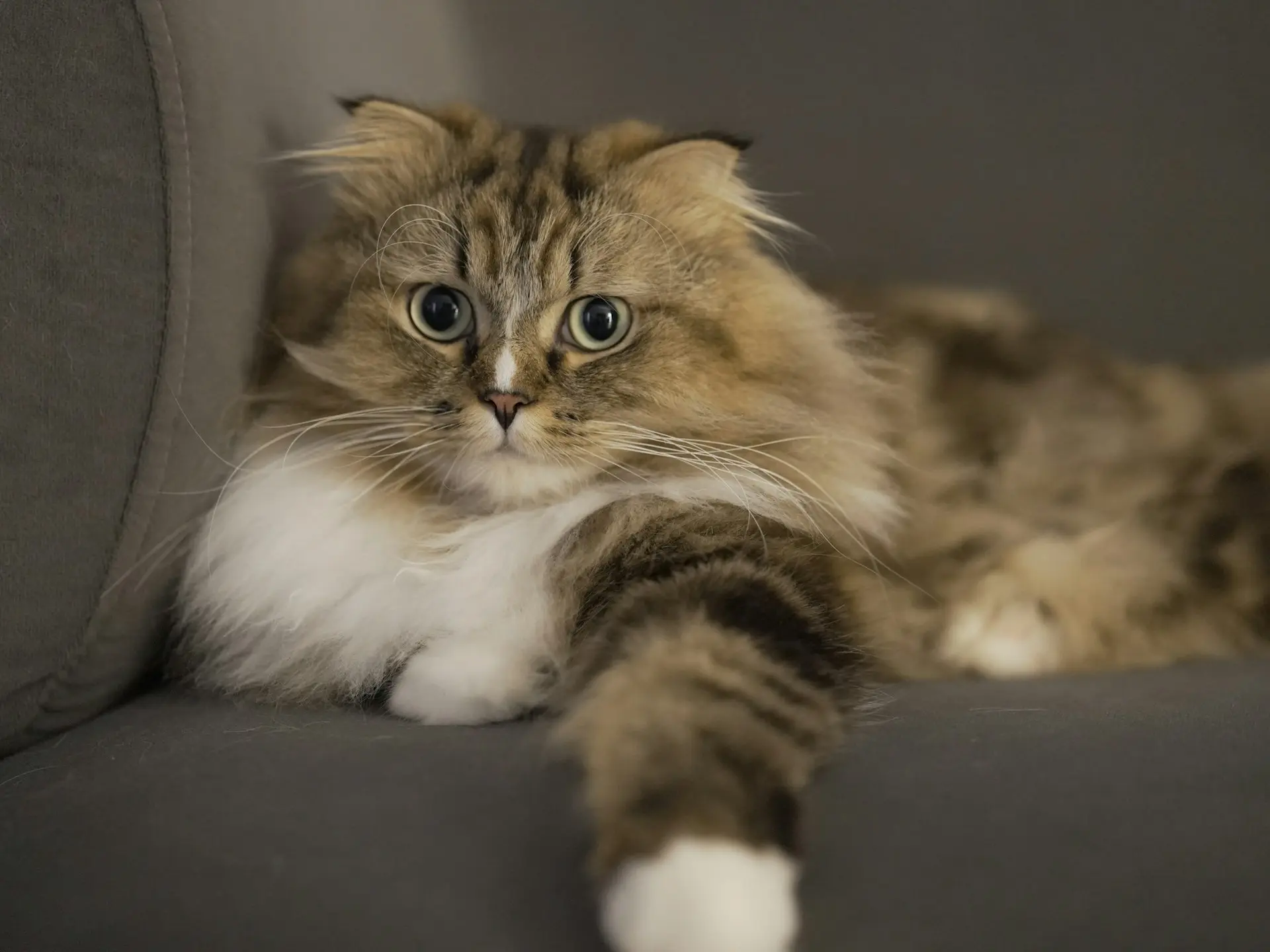
- Long-haired breeds like Persians or Maine Coons
- Seasonal shedding periods
- Excessive grooming or stress grooming
- Skin or digestive issues
Occasional hairballs are normal, but frequent vomiting or gagging may signal a problem. Our Sylvan Lake veterinarians can help determine whether it’s simple shedding or something more serious.
Read more about hairballs at the WebMD website here. Purina also has a piece on kitty hairballs, which is here.
When Hairballs Become a Concern
Most cats pass hairballs without issue, but sometimes they can lead to digestive blockages or other complications.
Warning signs to watch for:
- Frequent hacking or vomiting without producing a hairball
- Constipation or straining in the litter box
- Loss of appetite or lethargy
- Swollen or tender abdomen
If you notice any of these signs, schedule an appointment at Parkland Veterinary Hospital in Sylvan Lake. Hairballs that can’t be expelled naturally may require medical attention.
Cat Grooming Tips to Prevent Hairballs
Regular grooming is the single best way to prevent hairballs. The less loose fur your cat swallows, the fewer clumps form in their stomach.
Simple grooming habits that make a big difference:
- Brush your cat several times a week (daily for long-haired breeds).
- Use the right tools—slicker brushes or grooming gloves remove more loose hair.
- Wipe your cat’s coat with a damp cloth after brushing to catch stray fur.
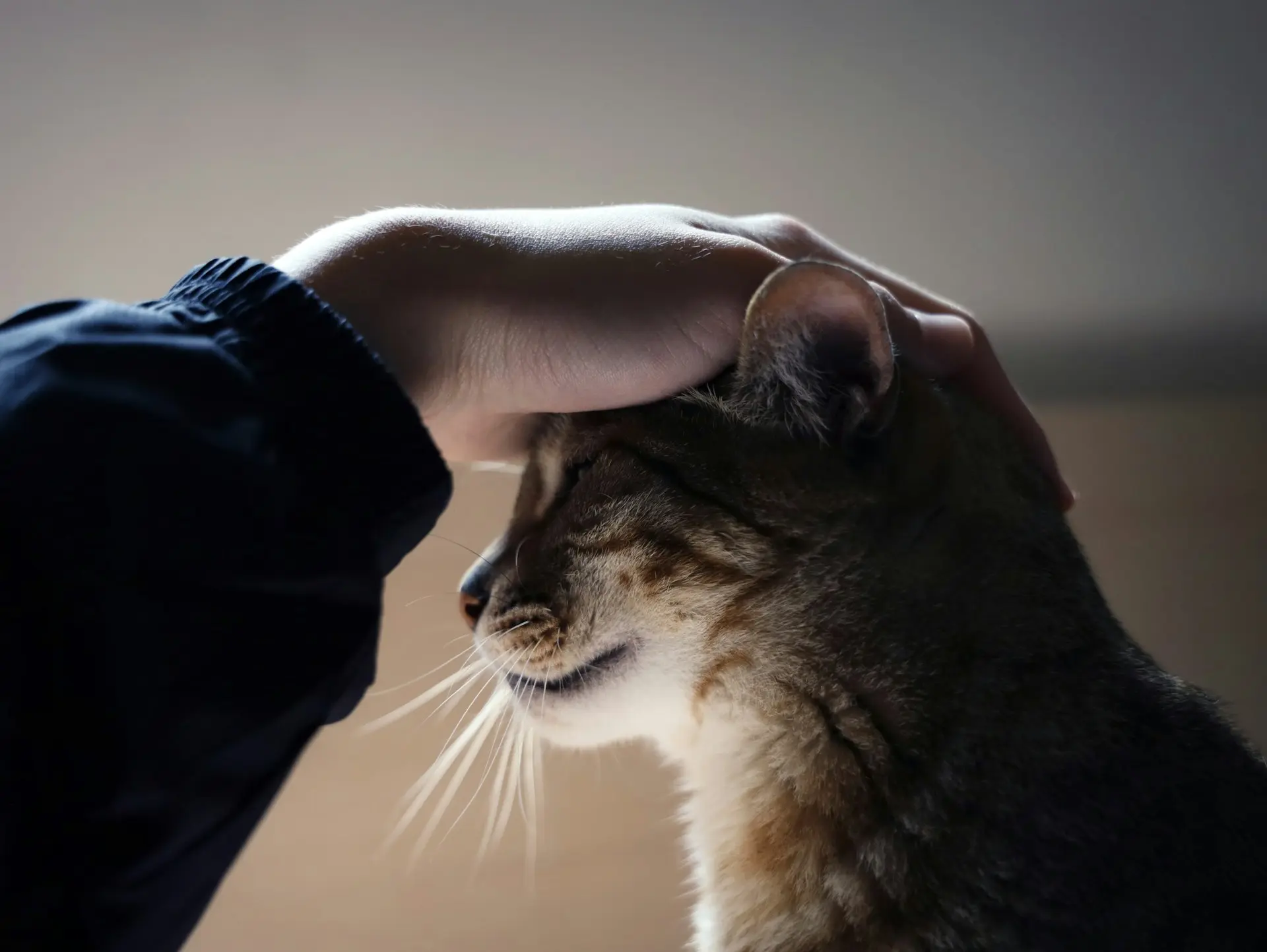
- Make grooming a bonding experience with gentle strokes and praise.
At our Sylvan Lake vet clinic, we often remind cat owners that consistent brushing not only reduces shedding but also strengthens your bond with your feline friend.
How Nutrition Affects Hairball Formation
Diet plays a surprisingly important role in cat hairball prevention. High-quality, fiber-rich foods help move ingested fur through the digestive tract more easily.
Nutritional adjustments that can help:
- Choose cat foods formulated for hairball control.
- Add natural fiber (like a small amount of canned pumpkin) to promote regular digestion.
- Ensure proper hydration. Consider getting your kitty wet food or a water fountain encourages your cat to drink more.
- Include omega-3 and omega-6 fatty acids for skin and coat health.
Our veterinarians in Sylvan Lake can recommend diets that support feline digestion health while keeping your cat’s coat shiny and low-shedding.
Reducing Cat Shedding Year-Round
While shedding is natural, it can be managed. Reducing loose fur means fewer hairballs and less cleanup around your home.
Tips to reduce cat shedding:
- Feed a balanced diet rich in healthy fats.
- Keep your cat hydrated for skin elasticity and coat strength.
- Brush regularly, especially during seasonal coat changes.
- Keep your home at a comfortable humidity level—dry air can worsen shedding.
Cats that shed excessively or lose fur in patches may have allergies, parasites, or hormonal imbalances. If brushing doesn’t seem to help, bring your cat to our Sylvan Lake veterinary clinic for an exam.
Encouraging Healthy Grooming Behavior
Some cats groom excessively out of boredom, anxiety, or irritation. Over-grooming not only increases hairball risk but can also cause bald patches or skin irritation.
To encourage balanced grooming:
- Provide toys and scratching posts for mental stimulation.
- Stick to a predictable daily routine to reduce stress.
- Play with your cat daily to burn energy and relieve tension.
- Offer cozy spaces and vertical perches for comfort and security.
If your cat’s grooming habits seem obsessive, our veterinarians can help identify whether stress, pain, or allergies might be behind the behavior.
Hairball Remedies and Treatments
In some cases, your vet may recommend specific treatments to reduce hairball formation. These can help keep fur moving smoothly through the digestive system.
Common hairball management options:
- Special hairball control cat food formulas
- Fiber supplements (as recommended by your vet)
- Lubricant gels that help hair pass through the intestines
- Probiotics for improved digestive health
Never use home remedies or human laxatives on your cat. Always talk to your veterinarian first. Our team at Parkland Veterinary Hospital can guide you safely.
Environmental Tips for Hairball Prevention
A clean, low-stress environment contributes to better grooming habits and less shedding.
Home care suggestions:
- Vacuum regularly to reduce airborne fur.
- Wash bedding and blankets weekly.
- Keep your cat’s favorite spots clean of loose hair.
- Minimize stressors like loud noises or sudden changes in routine.
A calm cat is less likely to stress-groom, which means fewer hairballs and a happier home overall.
Fun Facts About Hairballs and Cat Grooming
- The scientific term for a hairball is “trichobezoar.”
- Cats swallow an estimated 25% of the hair they groom off each day.
- Long-haired breeds can produce hairballs up to four inches long. (Yikes!)
- Regular brushing can reduce hairball formation by more than 50%.
At Parkland Veterinary Hospital in Sylvan Lake, we like to remind cat parents that while hairballs are a normal part of life, prevention is always easier (and cleaner) than cleanup.
FAQs About Cat Hairball Prevention
How often should my cat have hairballs?
Occasional hairballs are normal, especially in long-haired cats. Frequent ones—more than once or twice a month—may indicate excessive grooming or a digestive issue.
Is vomiting after a hairball normal?
Some gagging or mild vomiting can happen when expelling a hairball, but ongoing vomiting definitely warrants a vet visit to rule out other conditions.
Can I give my cat over-the-counter hairball remedies?
Only under veterinary guidance. Some products can interfere with digestion or cause other problems if overused.
How can I tell if a hairball is causing a blockage?
Watch for loss of appetite, lethargy, or constipation. These symptoms require immediate veterinary attention.
Does brushing really make that much difference?
Absolutely. Regular grooming drastically reduces the amount of fur your cat swallows, improving coat health and digestion.
Visit Our Sylvan Lake Veterinary Clinic for Cat Hairball Help
Hairballs might be a fact of feline life, but they don’t have to be frequent. At Parkland Veterinary Hospital in Sylvan Lake, our experienced veterinarians offer personalized advice on kitty hairball prevention, nutrition, and grooming routines to keep your kitty healthy and your home fur-free.
Are you searching for a reliable vet near me who understands the quirks of feline care? Skip the search and visit our Sylvan Lake veterinary clinic today. Let’s make hairballs a rare event, not a regular chore.
To find out more about our Sylvan Lake vet clinic, also serving Central Alberta, including Red Deer and surrounding areas, and the pets we treat, check our Services page here. You can also look into our Wellness & Vaccinations page here..
This article is intended for informational purposes only. Always consult your veterinarian for individualized medical advice, diagnosis, or treatment for your pet.



!Social Media Icons