


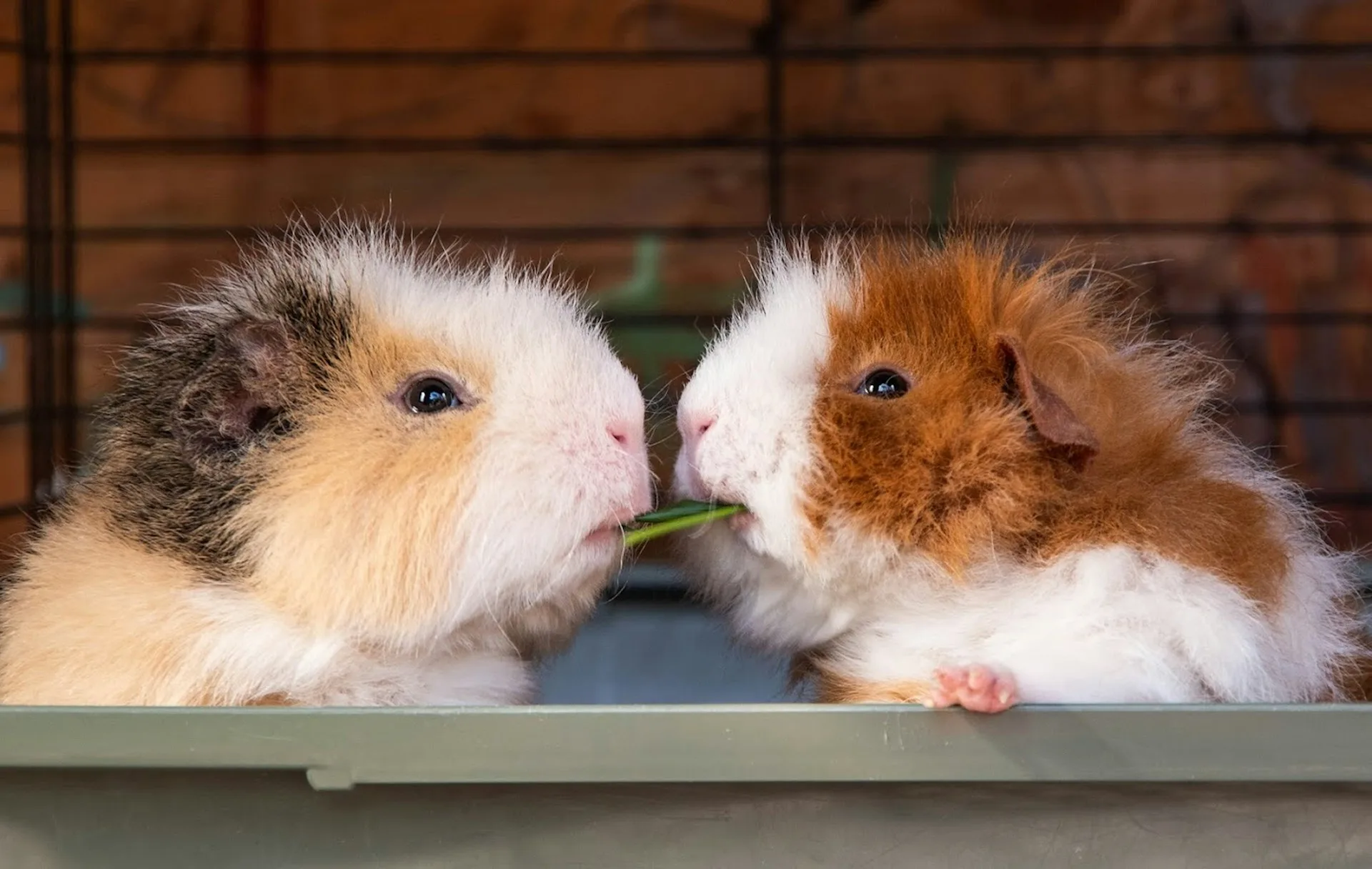
Few pets are as full of personality as Guinea pigs. These chatty, gentle little creatures can make wonderful companions when given proper care. But beneath that squeaky charm lies a surprising amount of responsibility. At Parkland Veterinary Hospital in Sylvan Lake, we are happy to provide care for tiny furballs! Good Guinea pig care goes far beyond filling the food dish. With the right attention to diet, environment, and social needs, your Guinea pig can enjoy a long, healthy, and happy life.
Understanding Your Guinea Pig’s Needs
Guinea pigs, or cavies, are social animals that thrive on companionship and consistent care. They’re curious, expressive, and love routine. Understanding their basic needs is the first step toward excellent small pet care.
Essential care considerations include:
- A spacious, clean, and safe living area
- A balanced diet rich in hay and vitamin C
- Daily interaction and gentle handling
- Regular grooming and veterinary checkups
At our Sylvan Lake veterinary clinic, we see firsthand how small changes in routine—like better nutrition or enrichment—can make a big difference in Guinea pig health and happiness.
Creating the Perfect Habitat
A comfortable and stimulating home environment helps your Guinea pig feel secure and active. Cages should be large enough to allow exploration and exercise.
Habitat basics:
- Minimum size: at least 7.5 square feet for one Guinea pig (more is always better)
- Solid flooring lined with soft, absorbent bedding—avoid wire bottoms
- Fresh water available at all times (bottle or heavy dish)
- Hiding spots and tunnels for security
- Toys or chew items for mental stimulation
Keep the cage in a quiet area away from direct sunlight, drafts, and loud noises. Guinea pigs are sensitive to stress, so a calm, stable environment helps them thrive.
Guinea Pig Diet: The Foundation of Good Health
A Guinea pig’s diet is crucial to their well-being. These herbivores rely on fiber-rich foods and daily vitamin C, which they can’t produce on their own.
Daily diet essentials:
- Unlimited hay (timothy, orchard, or meadow hay) for digestion and dental health
- Fresh vegetables, such as romaine lettuce, bell peppers, and parsley
- A small portion of high-quality Guinea pig pellets fortified with vitamin C
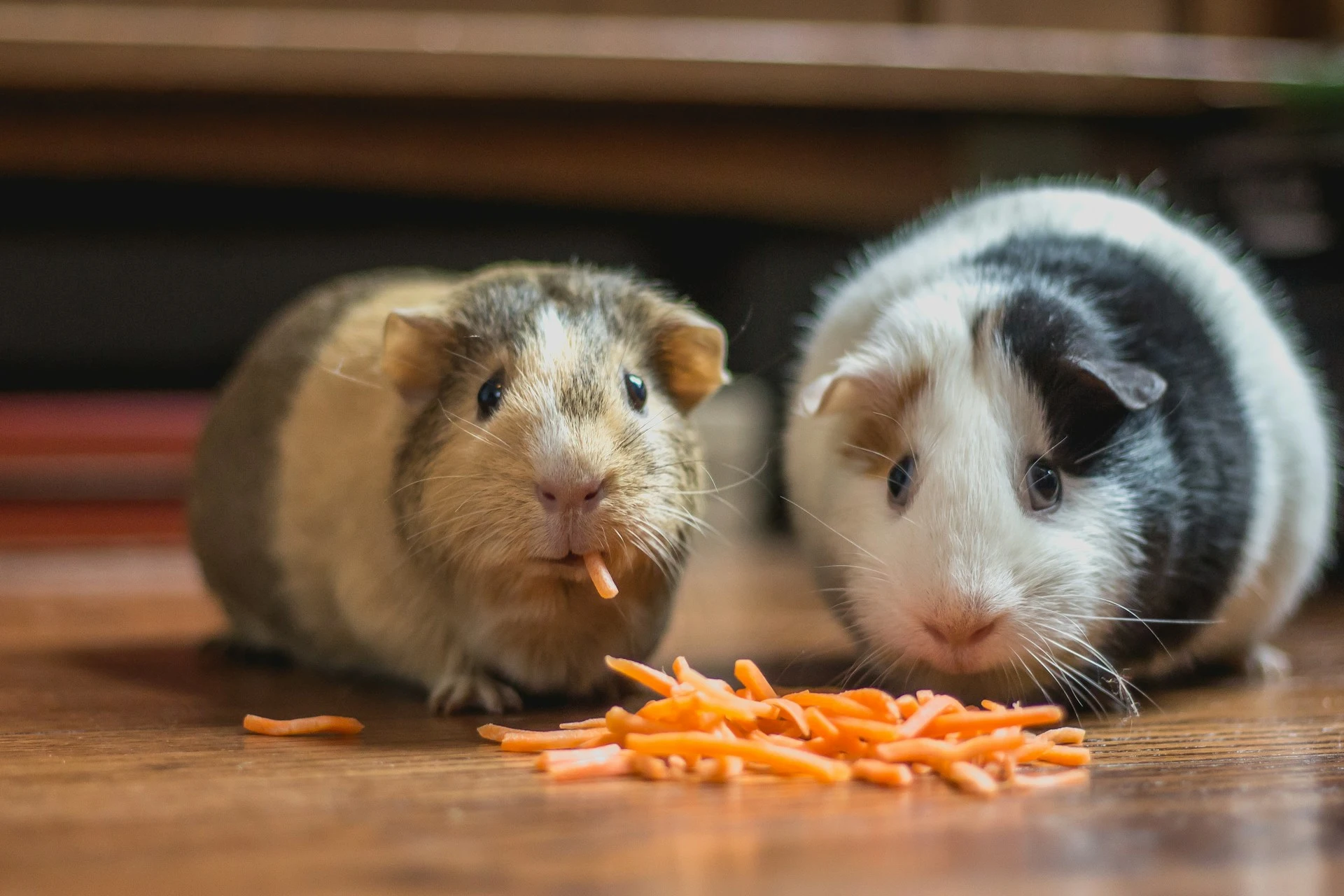
- Occasional treats like carrots or apple slices (in moderation)
- Fresh water refreshed daily
Avoid iceberg lettuce, onions, and potatoes, as they can cause digestive problems. Our veterinarians in Sylvan Lake can help you design a balanced meal plan tailored to your pet’s needs and age.
Vitamin C: A Guinea Pig Essential
Unlike many animals, Guinea pigs can’t synthesize vitamin C, so it must come from their diet. Without enough, they can develop scurvy, a painful and potentially serious condition.
Signs of vitamin C deficiency include:
- Weakness or lethargy
- Swollen joints or difficulty walking
- Poor coat condition
- Loss of appetite
To prevent deficiency, provide fresh vegetables daily and use pellets containing stabilized vitamin C. Avoid adding supplements to water bottles, as the vitamin breaks down quickly.
Guinea Pig Health Tips: Preventing Common Problems
Regular veterinary checkups help ensure your Guinea pig stays in top condition. These small pets are experts at hiding illness, so early detection is key.
Common health concerns include:
- Dental overgrowth (teeth that grow too long or unevenly)
- Respiratory infections
- Skin mites or fungal infections
- Obesity from lack of exercise or excessive treats
- Vitamin C deficiency
If your Guinea pig shows signs of labored breathing, hair loss, or reduced appetite, contact Parkland Veterinary Hospital in Sylvan Lake. Quick care can make all the difference.
Handling and Socialization
Gentle, consistent handling helps your Guinea pig feel comfortable and trusting. Always support their body and avoid sudden movements or loud noises.
Safe handling tips:
- Scoop your Guinea pig up with both hands; one under the chest, one under the hindquarters
- Hold them close to your body for security
- Supervise children during handling to ensure gentleness
- Avoid squeezing or grabbing from above (this can trigger fear)
Guinea pigs are social animals that do best with a same-species companion. If you keep more than one, make sure they’re properly introduced and have enough space to coexist peacefully.
Exercise and Enrichment
Guinea pigs love to explore, play, and forage. Providing daily exercise and enrichment keeps them physically fit and mentally stimulated.
Ways to enrich your Guinea pig’s day:
- Offer floor time in a safe, enclosed play area
- Provide tunnels, boxes, and chew toys for exploration
- Hide small treats in hay to encourage natural foraging
- Rotate toys regularly to keep things interesting
At Parkland Veterinary Hospital, we encourage owners to think of enrichment as part of Guinea pig care. It keeps your pet active, happy, and mentally sharp.
Grooming Your Guinea Pig
Grooming helps maintain coat health and allows you to check for skin issues early. How often you groom depends on your Guinea pig’s coat type.
Basic grooming steps:
- Brush short-haired breeds weekly. Long-haired breeds may need daily brushing
- Trim nails every few weeks
- Check ears and eyes for debris or discharge
- Spot-clean bedding or fur if necessary (avoid full baths)
If you notice mats, bald spots, or irritated skin, schedule an exam with your Sylvan Lake veterinarian. Skin conditions can spread quickly if untreated.
Recognizing Signs of Illness
Because Guinea pigs hide symptoms until they’re very sick, it’s important to know what to watch for.
Call your vet if you notice:
- Reduced eating or drinking
- Fewer droppings
- Difficulty breathing or wheezing
- Limping or lethargy
- Weight loss or changes in body shape
Weighing your Guinea pig weekly is one of the easiest ways to monitor health. Sudden weight loss often signals illness before other symptoms appear.
The Importance of Routine Vet Visits
Our Sylvan Lake veterinary team recommends annual exams for Guinea pigs, even if they appear healthy. These visits allow us to check teeth, skin, weight, and overall wellness.
During a checkup, your veterinarian may:
- Examine teeth for overgrowth or misalignment
- Listen to heart and lungs for respiratory issues
- Assess weight and nutrition
- Inspect the skin and coat for parasites
- Review housing and diet habits
Preventive care saves stress and expense later, and helps your Guinea pig live their longest, happiest life.
Fun Facts About Guinea Pigs
- Guinea pigs can make over a dozen unique vocalizations.
- Their teeth never stop growing.
- They need constant hay to keep their digestive system moving.
- Guinea pigs “popcorn” (jump in excitement) when they’re happy.
- Despite their name, they’re not from Guinea, and they’re not pigs.
Learning about these charming little creatures makes caring for them even more rewarding.
Read all about dental diseases in Guinea pigs in a PetMD article, which you can read here. Cavy lovers’ site Guinea Piggles has a good article on Guinea Pig behavior, which you can find here.
FAQs About Guinea Pig Care
How often should I clean my Guinea pig’s cage?
Spot-clean daily and do a full bedding change once or twice a week.
Do Guinea pigs need baths?
Usually no. Guinea pigs clean themselves and rarely need full baths. If they get dirty, use a damp cloth for gentle spot-cleaning.
What should I feed my Guinea pig every day?
Unlimited hay, fresh vegetables, fortified pellets, and clean water.
Can Guinea pigs live alone?
They can, but they’re happiest with another Guinea pig for companionship—just make sure they’re compatible.
When should I see a vet for my Guinea pig?
Any changes in appetite, droppings, or behavior warrant a visit to Parkland Veterinary Hospital in Sylvan Lake.
Visit Our Sylvan Lake Veterinary Clinic for Expert Guinea Pig Care
Caring for a Guinea pig may seem simple, but it takes the right knowledge and consistency to keep them healthy. At Parkland Veterinary Hospital in Sylvan Lake, our experienced veterinarians can guide you through every aspect of Guinea pig care, from nutrition and housing to health checks and bonding.
Are you searching for a trusted vet near me who truly understands small pets? Skip the search and visit our Sylvan Lake veterinary clinic today. We’ll help your Guinea pig thrive in every squeak and squeal.
To find out more about our Sylvan Lake vet clinic, also serving Central Alberta, including Red Deer and surrounding areas, and the pets we treat, check our Services page here. You can also look into our Wellness & Vaccinations page here.
This article is for informational purposes only. Always consult your veterinarian for individualized medical advice, diagnosis, or treatment for your pet.
!Social Media Icons