


If you share your home with a rabbit, Guinea pig, or hamster, you probably already know how much they love to chew. Those tiny teeth never stop growing, and chewing isn’t just a hobby—it’s a health requirement. But with so many toy options available, it’s not always clear which ones are safe. At Parkland Veterinary Hospital in Central Alberta, our team often gets questions about which pocket pet chew toys help maintain dental health without posing risks. Here’s a complete guide to choosing toys that are safe, fun, and healthy for your small pets.
Why Chewing Is So Important for Small Pets
Unlike dogs or cats, pocket pets have teeth that grow continuously throughout their lives. Rabbits, Guinea pigs, and hamsters rely on constant chewing to wear them down naturally. Without enough chewing opportunities, teeth can become overgrown, painful, and even prevent them from eating properly.
Signs of overgrown teeth include drooling, reduced appetite, pawing at the mouth, or difficulty eating. If you notice these symptoms, schedule a dental exam with our veterinarians in Central Alberta right away. Early intervention can prevent serious health issues.
What Makes a Chew Toy Safe?
Not all chew toys are created equal. The best toys are made from natural, non-toxic materials that are firm enough to wear down teeth but soft enough not to cause fractures.
Qualities of safe chew toys:
- Made from untreated wood, hay, or natural fibers
- Free from dyes, varnishes, or chemicals
- Appropriately sized for your pet’s mouth
- Easy to clean or replace when soiled
Unsafe chew toys often contain plastic parts, metal bells, or glue that can be harmful if ingested. Always check labels carefully, and when in doubt, ask your veterinarian for recommendations.
Oxbow Animal Health wrote this article about the best toys for hamsters and gerbils. Rabbit.org has a good article on pocket pet chew toys here. While the site is geared at rabbits, many of these will work for tinier pets, too.
Safe Toys for Small Pets: Material Guide
Each type of pocket pet has slightly different preferences, but all benefit from safe, natural materials.
- Willow sticks, applewood branches, or woven hay mats.
- Wooden blocks, cardboard tubes, and seagrass balls.
- Coconut shells, plain paper, or chew-safe wooden tunnels.
Avoid giving any small pet toys made for dogs or cats—those are too hard for delicate rodent teeth and can cause injury.
Rabbit Toy Safety: What to Look For
Rabbits are active chewers and can turn almost anything into a toy. However, not everything they chew is safe.
Rabbit-safe toy options include:
- Untreated willow or applewood branches
- Cardboard boxes filled with hay for digging and chewing
- Grass or sisal tunnels
- Wooden blocks made specifically for rabbits
Avoid plastic toys, painted wood, or anything with sharp edges. Rabbits also love DIY enrichment, like empty paper towel rolls stuffed with hay or shredded paper.
At Parkland Veterinary Hospital in Central Alberta, we remind rabbit owners that supervision is important, especially when introducing a new toy.
Guinea Pig Chew Toys and Enrichment
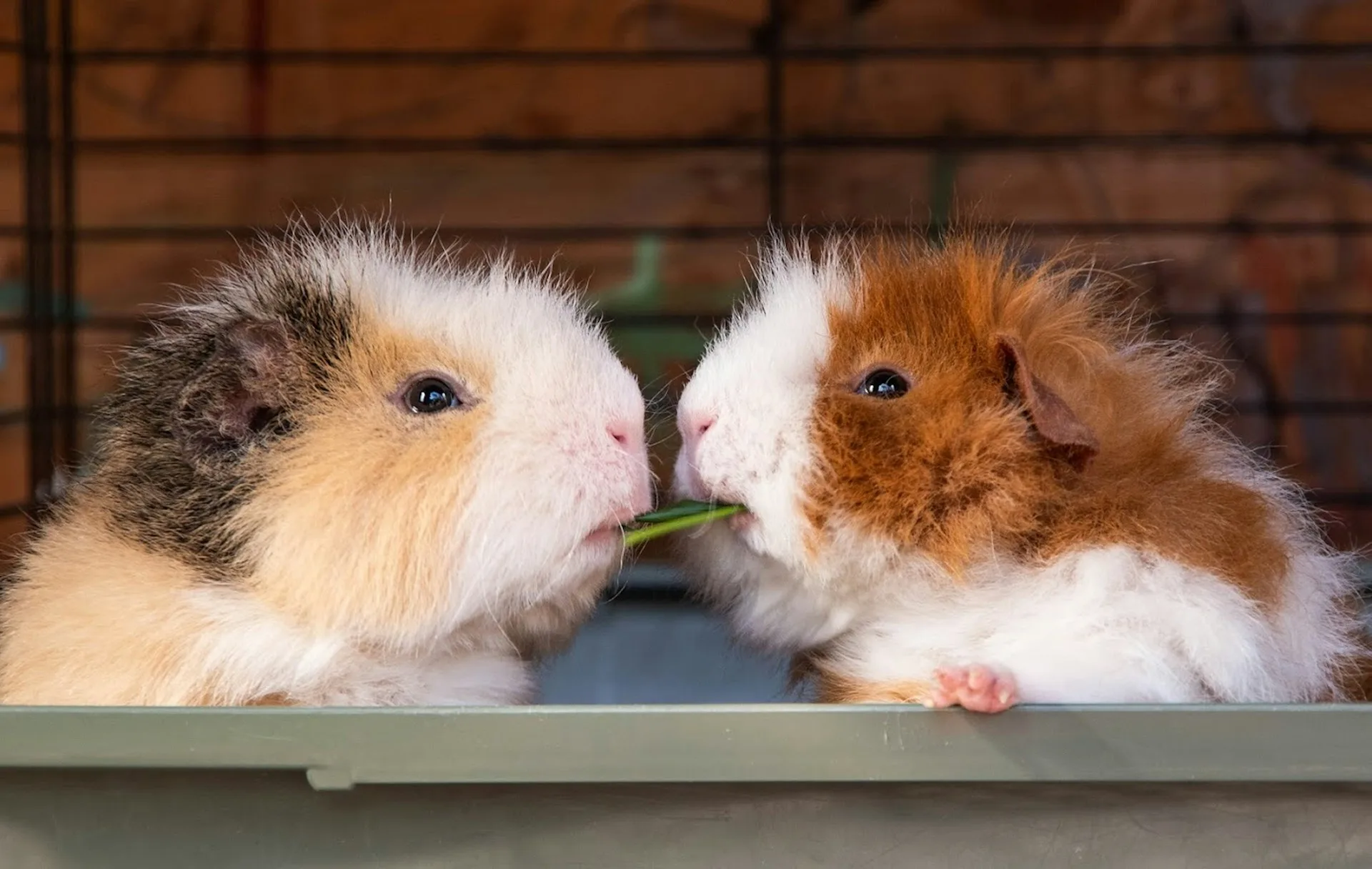
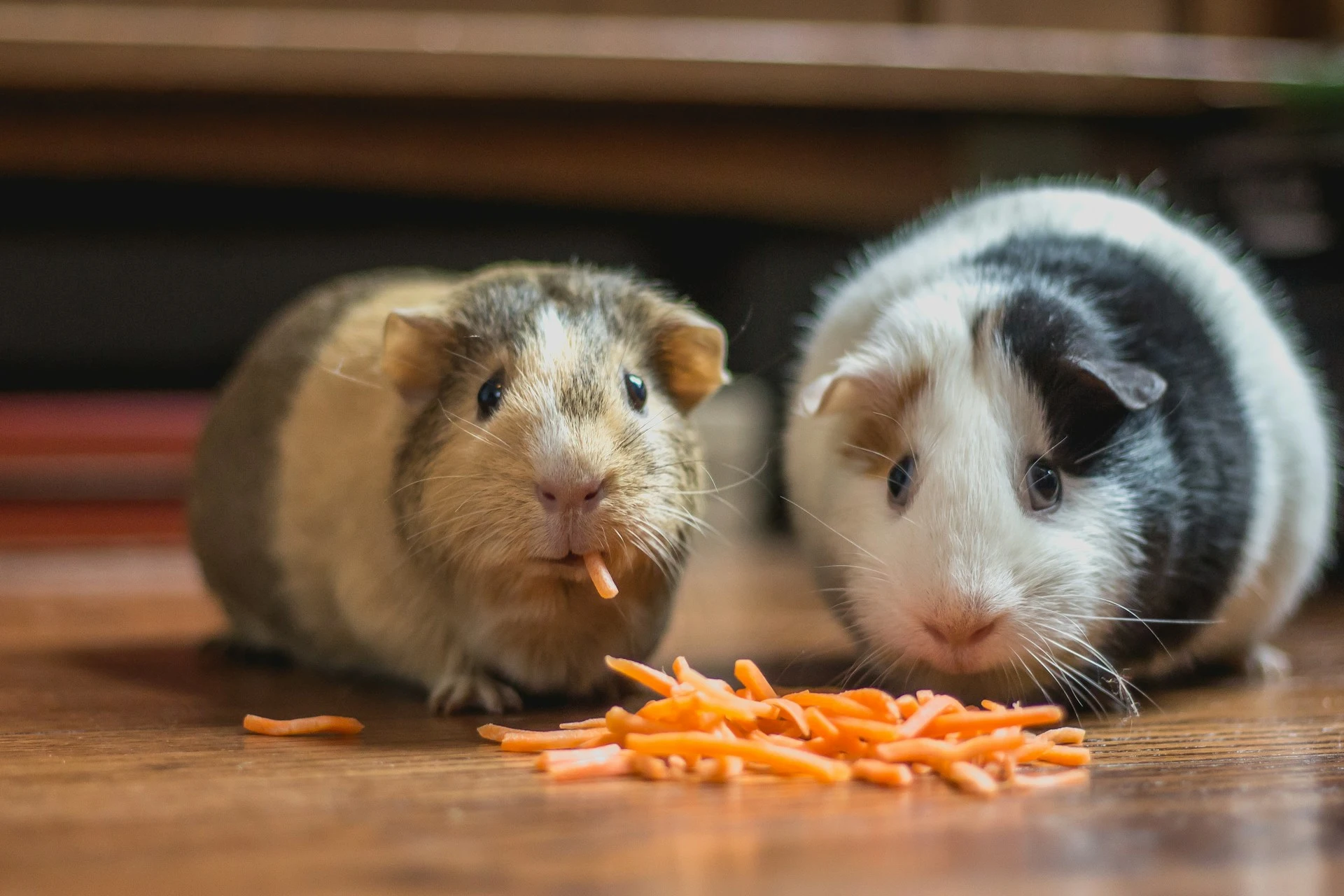
Guinea pigs are natural nibblers who enjoy exploring and chewing throughout the day. Their toys should encourage both chewing and play.
Guinea pig-safe chew toys include:
- Natural hay cubes
- Wicker baskets without varnish or glue
- Wooden blocks made from fruit trees
- Untreated pinecones (washed and baked to remove pests)
- Small tunnels for exploration
Adding variety helps prevent boredom and promotes dental and mental health. Swap out toys regularly to keep your Guinea pig engaged and curious.
Hamster Chew and Play Toys
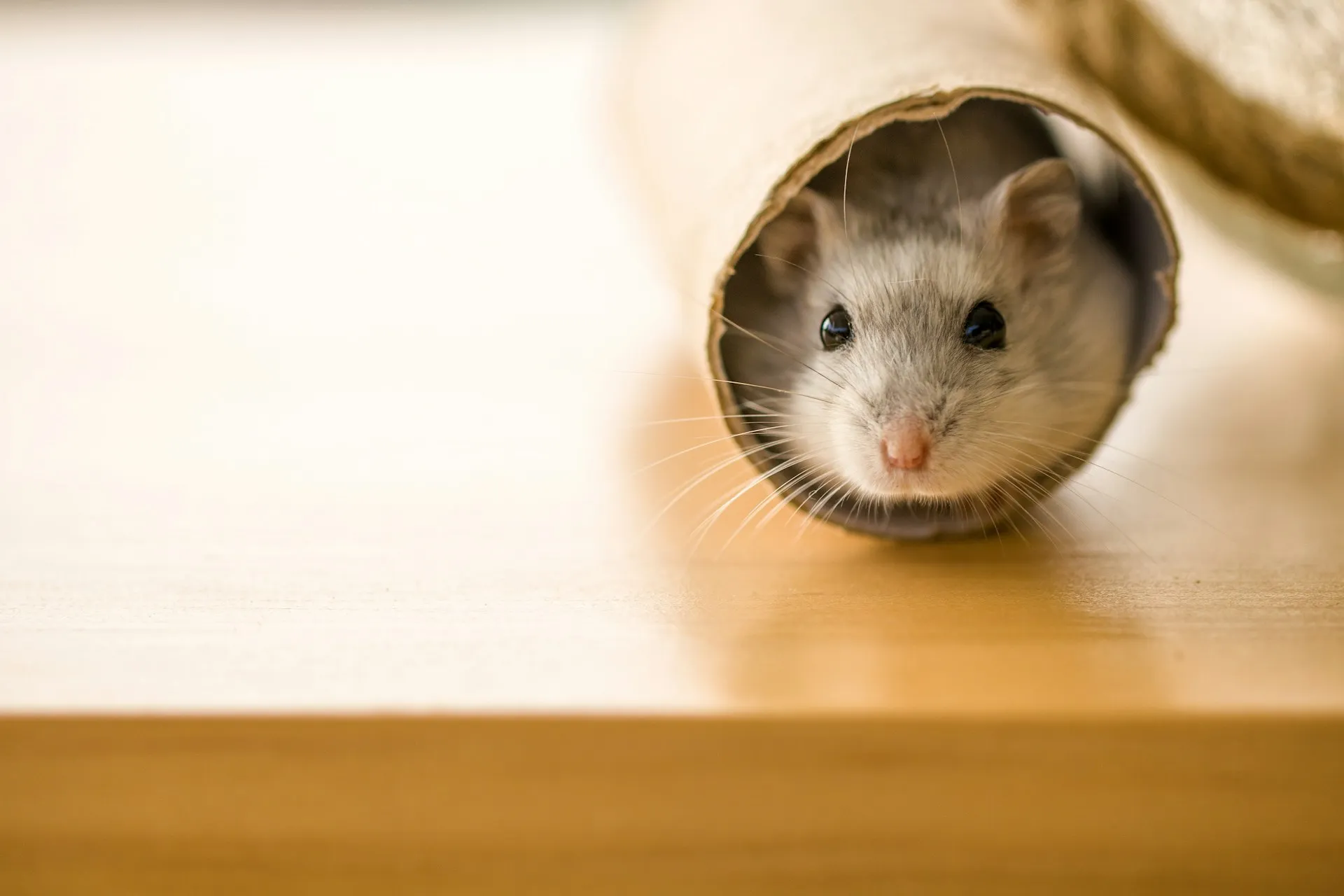
Hamsters love to gnaw and climb, making chewable toys an essential part of their habitat.
Best toys for hamsters:
- Wooden chew sticks or bridges
- Pumice stones and mineral blocks (use sparingly)
- Paper rolls or cardboard hideouts
- Coconut shells for climbing and chewing
- Small hay blocks for foraging fun
Avoid plastic toys and exercise balls, which can trap heat or cause injuries. A chew-safe wooden wheel or tunnel is a much safer option.
Natural DIY Chew Toy Ideas
If you enjoy crafting, making your own pocket pet toys is easy, affordable, and enriching.
DIY toy ideas:
- Cardboard boxes stuffed with hay and herbs
- Twisted willow branches tied with sisal rope
- Shredded paper piles for digging and nesting
- Old toilet paper tubes filled with hay or small treats
Always use untreated, chemical-free materials, and avoid glues or paints. Your small pets will appreciate the natural feel, and you’ll enjoy watching them play.
Chew Toy Maintenance and Safety Checks
Even the safest toy can become dangerous over time. Regular inspection ensures your pet’s environment stays safe.
Maintenance checklist:
- Remove toys that are splintered, frayed, or soiled.
- Wash toys made from safe, washable materials regularly.
- Replace wooden toys every few weeks or when they show wear.
- Supervise new toys during the first few days of use.
At our Central Alberta veterinary clinic, we recommend rotating toys every week or two. This prevents boredom and helps identify favorites while ensuring worn toys don’t cause harm.
The Role of Diet in Dental Health
Chew toys help, but diet also plays a major role in dental wear and overall well-being.
Diet tips for healthy teeth:
- Provide unlimited hay for rabbits and Guinea pigs—it’s crucial for their digestion, but also naturally files teeth.
- Offer fibrous vegetables and occasional leafy greens.
- Choose pellets made specifically for your pet’s species.
- Avoid sugary treats or seeds, which can contribute to tooth decay.
Proper nutrition and chewing go hand in hand to maintain a healthy mouth and happy pet.
When Chewing Becomes Excessive
Sometimes, excessive chewing can signal boredom, stress, or dental discomfort. If your pet seems obsessed with chewing cage bars or furniture, it’s time to investigate.
Potential causes of over-chewing:
- Cage too small or lacking enrichment
- Lack of exercise or stimulation
- Dental pain or overgrown teeth
- Anxiety from environmental stress
If your pet’s chewing habits suddenly change, schedule an appointment at Parkland Veterinary Hospital in Central Alberta. Our veterinarians can check for underlying issues and help you make adjustments to their environment or diet.
Fun Facts About Pocket Pets and Chewing
- A rabbit’s teeth grow up to 3 millimeters per week.
- Guinea pigs use their teeth to communicate dominance as well as eat.
- Hamsters can fit their entire body through any hole the size of their skull.
- Small pets use chewing to explore and understand their surroundings.
- A healthy chew habit keeps teeth worn evenly and prevents dental disease.
These fascinating facts highlight how chewing is more than a pastime—it’s a vital part of your pet’s health and happiness.
FAQs About Pocket Pet Chew Toys
What materials are safe for small pet chew toys?
Natural materials like untreated wood, hay, and seagrass are safest. Avoid anything with sharp edges, small pieces, glitter, glue, paint, or metal parts.
How often should I replace my pet’s chew toys?
Replace toys when they’re heavily worn, splintered, or dirty. On average, rotate toys every one to two weeks.
Can I give my rabbit or Guinea pig dog toys?
No. Dog toys are too hard for small pet teeth and can cause injury or fractures. Always choose toys made for small animals. (Hamsters may like the occasional dog biscuit, though.)
Are mineral blocks good for my hamster’s teeth?
In moderation. Some hamsters enjoy mineral blocks, but they shouldn’t replace wooden or hay-based toys.
My Guinea pig won’t chew—what should I do?
Try offering a variety of textures like hay cubes, wooden blocks, or apple branches. If they still don’t chew, contact your vet to check for dental issues.
Visit Our Central Alberta Veterinary Clinic for Pocket Pet Care
From rabbits to hamsters and everything in between, small pets bring big joy to our lives. At Parkland Veterinary Hospital in Central Alberta, our veterinarians provide expert advice on pocket pet chew toys, diet, and preventive dental care to keep your little companions healthy and happy.
If you’re looking for a vet near me who understands small animals, skip the search and visit our Central Alberta veterinary clinic today. We’ll help your pets stay busy, safe, and smiling—one chew at a time.
To find out more about our Sylvan Lake vet clinic, also serving Central Alberta, including Red Deer and surrounding areas, and the pets we treat, check our Services page here. You can also look into our Wellness & Vaccinations page here.
This article is for informational purposes only. Always consult your veterina
!Social Media Icons