


Does your dog suddenly forget commands when the leash goes on or he spots a squirrel? Or maybe your cat just stares you down when you ask (or order) her to get off the counter? Don’t worry; you’re not alone. Stubborn pets can test even the most patient owners. But here’s the secret: they’re not necessarily really stubborn. They’re just confused, unmotivated, or unsure what’s expected of them. At Parkland Veterinary Hospital in Sylvan Lake, we teach pet parents the power of positive pet training, using proven, science-backed approaches that build trust, strengthen your bond, and get real results.
What Is Positive Reinforcement Training?
Positive reinforcement focuses on rewarding the behavior you want to see instead of punishing the ones you don’t. When your pet connects an action with something good, like a treat, praise, or playtime, they’re more likely to repeat it.
It’s the same principle used in animal training worldwide, from guide dogs to dolphins. The method works because it’s built on trust and clear communication, not fear or dominance.
At our Sylvan Lake veterinary clinic, we use this approach to teach pet owners how to handle everything from basic obedience to more challenging behaviors in both dogs and cats.
Why Punishment Doesn’t Work
Traditional punishment-based methods may stop unwanted behavior in the short term, but they often create new problems like fear, anxiety, or aggression. Pets don’t understand “bad dog”… they just learn to avoid the person saying it.
Positive reinforcement teaches pets what you do want them to do. It turns training into a game rather than a confrontation. When your furry friend learns that listening earns rewards, they start to enjoy the process.
Our veterinarians in Sylvan Lake remind owners that training should always strengthen the relationship between pet and person, never harm it.
The Science Behind Reward-Based Training
Behavioral research shows that animals (and people) learn best when actions have pleasant outcomes. The brain releases dopamine when rewarded, reinforcing the behavior. This “feel-good” response helps your pet learn faster and retain commands longer.
Positive reinforcement also helps build confidence. Pets that feel safe and successful are more willing to try new things and recover quickly from mistakes. That’s why this method works especially well for nervous or reactive animals.
Reinforcement Training for Dogs
Dogs are natural learners. They love attention and thrive on structure. The key is to find what motivates them most.
For some dogs, it’s food. For others, it’s toys, play, or verbal praise. Once you know their favorite reward, you can turn training into a fun, rewarding experience.
Tips for positive training with dogs:
- Keep sessions short (5–10 minutes).
- Reward immediately after the desired behavior.
- Use a cheerful voice and consistent commands.
- Gradually phase out treats and replace them with praise as the behavior becomes reliable.
- Be patient—repetition and consistency are essential.
At Parkland Veterinary Hospital, our Sylvan Lake team often helps owners struggling with “stubborn” dogs discover that the issue isn’t disobedience—it’s communication. Clear signals and the right timing make all the difference.
Cat Training with Treats
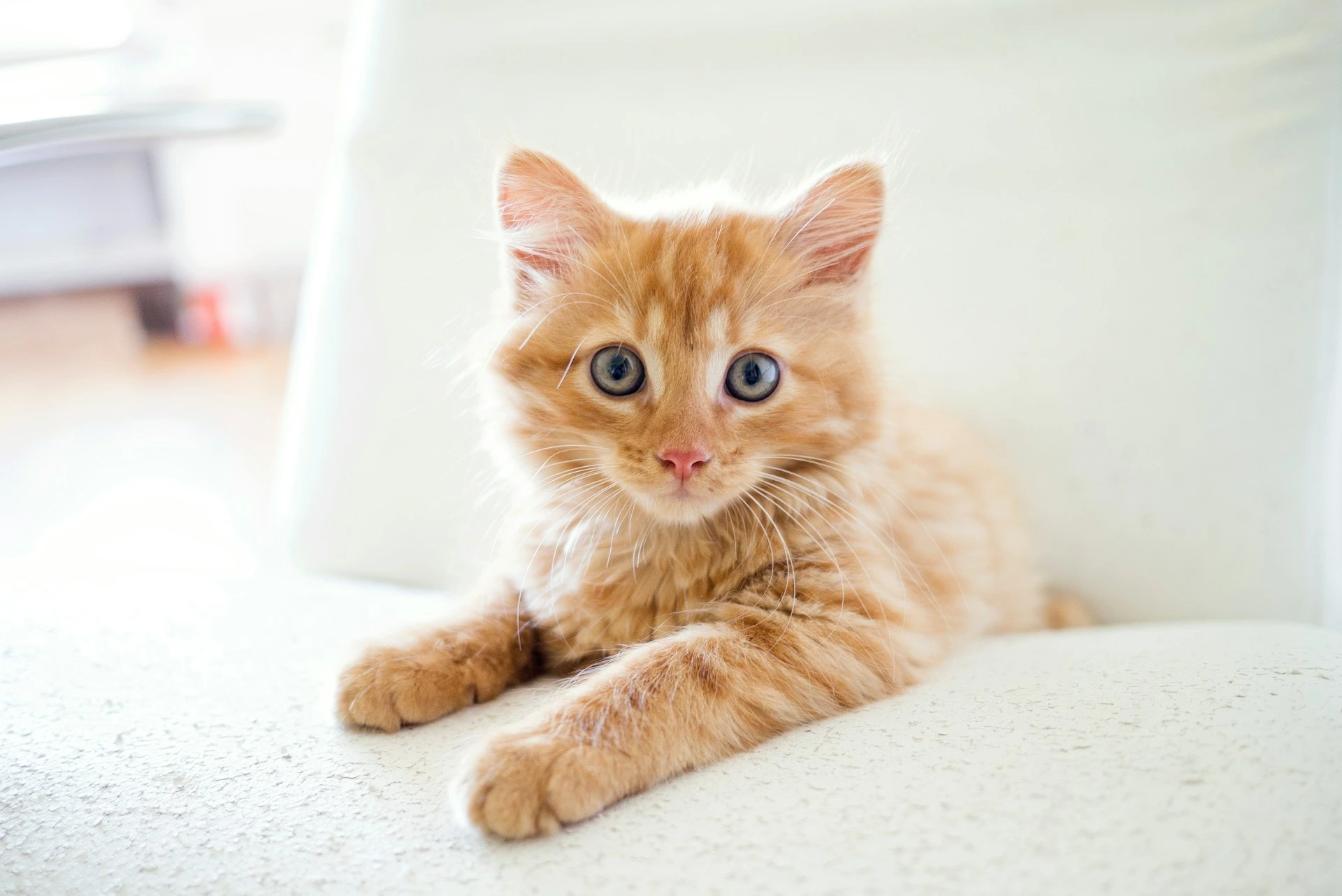
You read that right—cats can be trained, too! Felines respond best to short, positive sessions with tasty rewards. Whether you’re teaching them to use a scratching post or come when called, treats make it worth their while.
Simple steps for cat training:
- Find a high-value treat your cat loves (think tuna flakes or freeze-dried chicken).
- Choose a quiet space without distractions.
- Start with easy tasks like sitting or touching a target.
- Reward immediately after success.
- Keep sessions short—just a few minutes each day.
Over time, your cat will associate training with fun and attention. This method is especially effective for building trust with shy or newly adopted cats.
Gentle Pet Training Methods for All Temperaments
Not all pets learn at the same pace. Some are eager and excitable, while others are cautious or easily distracted. Positive reinforcement allows you to adjust your approach for your pet’s personality.
For high-energy pets:
- Use toys or short play sessions as rewards.
- Incorporate movement-based exercises like “fetch” or “come.”
For timid pets:
- Keep sessions calm and quiet.
- Reward even small steps toward the desired behavior.
- Never force or rush interactions.
Our veterinarians in Sylvan Lake often work with pet parents to identify what motivates each individual animal, helping training feel rewarding rather than stressful.
Common Training Mistakes to Avoid
Even with the best intentions, small mistakes can confuse your pet or slow progress.
Avoid these common pitfalls:
- Inconsistent cues (using “come” one day and “here” the next).
- Delayed rewards. Timing is everything.
- Overtraining. Short, frequent sessions are more effective.
- Losing patience. Your pet feeds off your energy.
Remember: training is a conversation, not a lecture. The goal is mutual understanding, not control.
Using Clicker Training Effectively
Clicker training is one of the simplest ways to communicate clearly during positive pet training. The sound of the click tells your pet exactly when they’ve done something right.
How it works:
- Introduce the clicker by pairing the sound with a treat several times (“charging” the clicker).
- Once your pet understands that a click equals a reward, use it during training to mark good behavior instantly.
- Keep your timing precise—the click should happen the moment your pet performs the correct action.
This method works beautifully for both dogs and cats, helping them learn faster and reducing confusion.
Turning Everyday Moments into Training Opportunities
You don’t need a formal training time to teach your pet. Everyday life offers plenty of chances to reinforce good behavior.
- Ask your dog to “Sit” before meals or walks.
- Reward your cat for using their scratching post instead of the sofa.
- Praise calm behavior when guests visit.
- Practice recall (“Come”) in the backyard for fun.
These small, consistent reinforcements make training part of daily life and help build good petiquette habits that stick.
What to Do When Progress Feels Slow
Even with the best methods, progress isn’t always linear. Some pets take longer to unlearn old habits or gain confidence. That’s normal.
If you’re struggling, step back and simplify the task. Break the behavior into smaller steps, reward generously, and keep sessions positive.
If frustration sets in, end with success, even if it’s a small one. A happy finish ensures your pet looks forward to the next session.
When to Get Professional Training Help
Sometimes extra guidance makes all the difference. Professional trainers and behaviorists can identify what’s blocking progress and create a customized plan.
You may benefit from expert help if your pet:
- Shows aggression or fear toward people or other animals.
- Refuses to respond to basic cues despite consistent training.
- Has anxiety-related behaviors like barking or destructive chewing.
- Needs help overcoming bad experiences or trauma.
At Parkland Veterinary Hospital in Sylvan Lake, our veterinarians can connect you with experienced trainers who specialize in gentle pet training methods. Together, we’ll help your furry friend reach their full potential.
Fun Facts About Positive Pet Training
- Studies show reward-based training leads to happier, more obedient pets than punishment methods.
- Cats trained with positive reinforcement form stronger bonds with their owners.
- Dogs trained using rewards have better recall and focus under distraction.
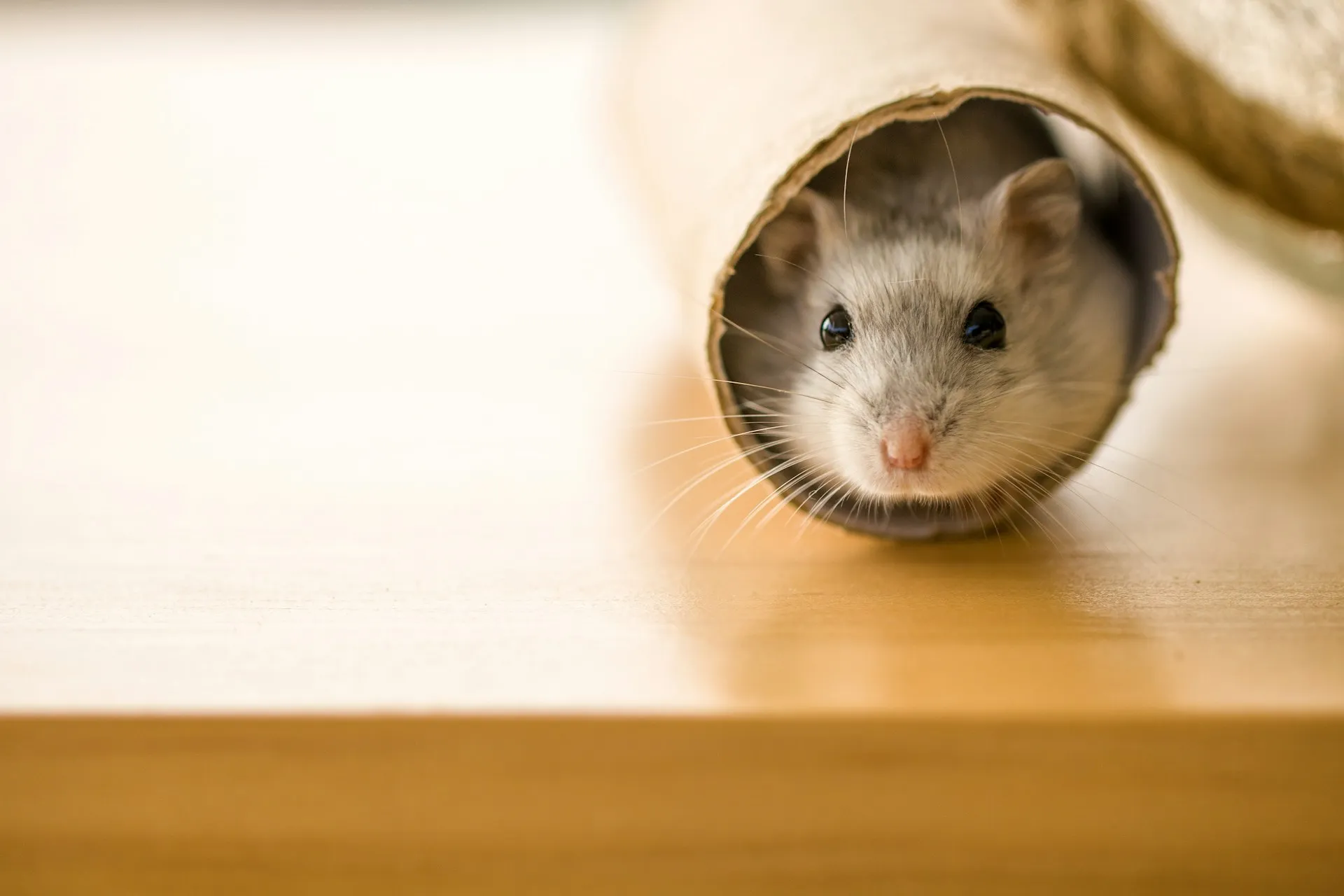
- Clicker-trained animals—from rats to dolphins—learn up to 40% faster.
These facts prove that kindness and consistency are far more effective than dominance or discipline.
You can read the AKC article on dog training here. The Royal Society For The Prevention Of Cruelty For Animals also covered the topic here.
FAQs About Positive Pet Training
How soon should I start training my pet?
Start as early as possible. Puppies and kittens learn quickly, but even senior pets can benefit from positive reinforcement.
Do I always have to use treats?
Not forever. As your pet learns, you can replace treats with praise, toys, or affection.
What if my pet ignores me during training?
Try higher-value rewards or shorter sessions. You may also need to reduce distractions.
Can cats really be trained?
Yes! With patience and rewards, cats can learn commands, tricks, and even leash walking.
When should I talk to a vet or trainer about behavior issues?
If your pet seems anxious, fearful, or unresponsive to training, schedule a visit at Parkland Veterinary Hospital in Sylvan Lake.
Visit Our Sylvan Lake Veterinary Clinic for Pet Training Guidance
Training your pet should bring joy, not stress. At Parkland Veterinary Hospital in Sylvan Lake, our caring team believes in the power of positive pet training to transform stubborn or shy pets into confident companions. Whether you’re starting with a puppy, kitten, or older rescue, we’re here to help you every step of the way.
Are you looking for a supportive vet near me who can guide you through gentle, effective training methods? Skip the search and contact our Sylvan Lake veterinary clinic today. Let’s turn frustration into teamwork—and build a bond that lasts a lifetime.
To find out more about our Sylvan Lake vet clinic, also serving Central Alberta, including Red Deer and surrounding areas, and the pets we treat, check our Services page here. You can also look into our Wellness & Vaccinations page here.
This blog is intended for informational purposes only. Always consult your veterinarian for individualized medical advice, diagnosis, or treatment for your pet.
!Social Media Icons