


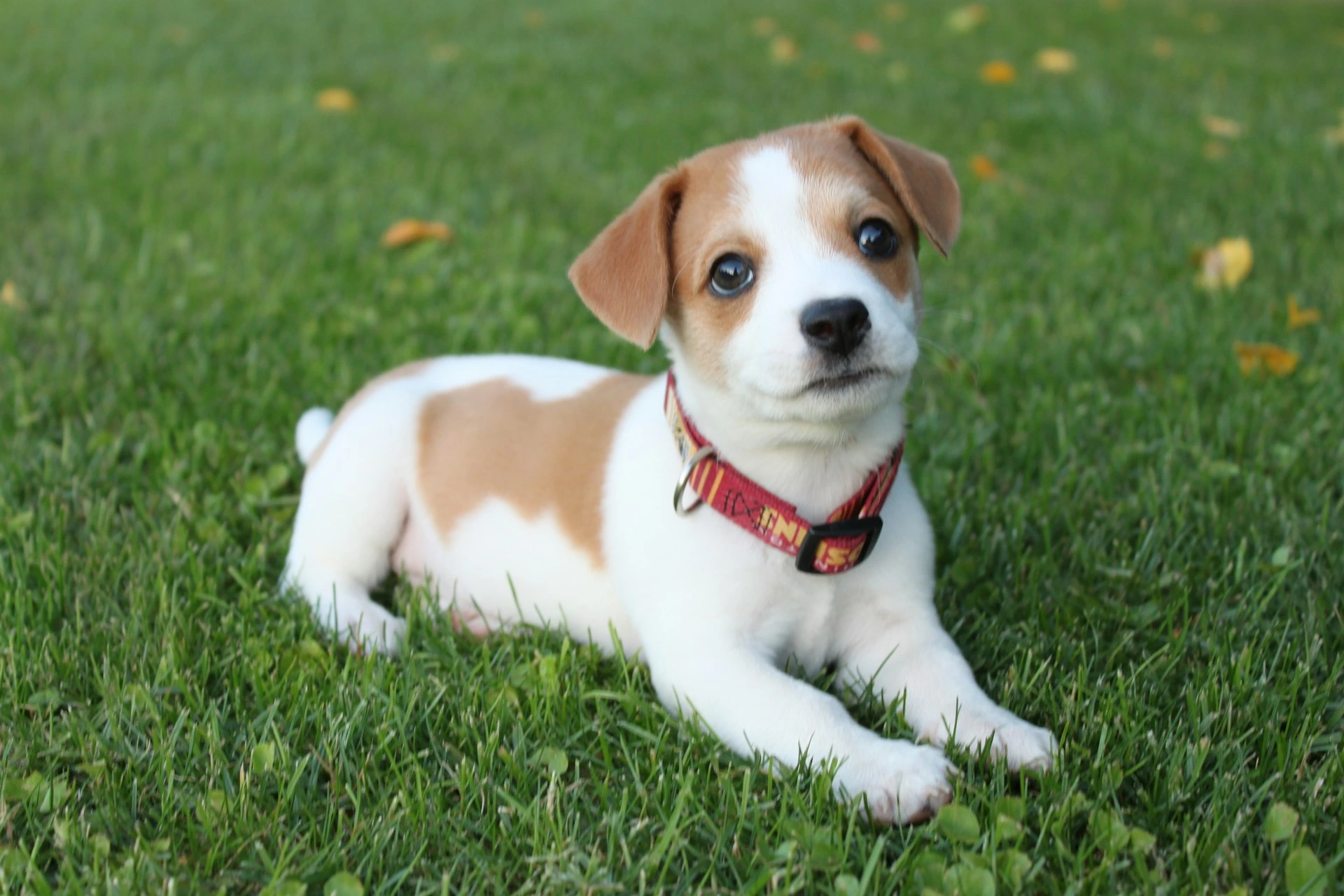
Does your dog hide during thunderstorms, tremble at vet visits, or pace when you leave the house? Dog anxiety is more common than many owners realize, and it can affect dogs of all breeds and ages. At Parkland Veterinary Hospital in Sylvan Lake, we understand how stressful it can be to see your pup in distress. The good news is that with patience, compassion, and a few simple strategies, you can help your canine buddy feel calm again.
Understanding Dog Anxiety
Anxiety in dogs is similar to what humans experience; it’s a reaction to fear, uncertainty, or change. Dogs express their emotions through behavior, and those behaviors often tell you what they’re feeling.
Common causes of dog anxiety include:
- Loud noises such as fireworks or thunderstorms
- Separation from their owner or family members
- Changes in routine or environment
- Visits to the vet or groomer
- Past trauma or lack of socialization
At our Sylvan Lake veterinary clinic, we see anxiety manifest in many forms. Some dogs become clingy and restless, while others withdraw or act destructively. Recognizing the signs early helps you take action before stress escalates.
You can read more about canine anxiety at the AKC website here. Cummings School of Veterinary Medicine at Tufts University has some great information on dog anxiety here.
Signs Your Dog Might Be Anxious
Dogs can’t tell you they’re nervous, but their body language often says it for them. The signs vary from subtle to obvious depending on the situation.
Behavioral signs of anxiety may include:
- Pacing or shaking
- Whining, barking, or howling
- Destructive chewing or digging
- Panting or drooling
- Accidents in the house despite being trained
- Avoidance or hiding
If these symptoms are frequent, it’s time to consult your veterinarians in Sylvan Lake. Persistent anxiety can affect your dog’s health, leading to sleep loss, digestive upset, and even lowered immunity.
Calming an Anxious Dog Naturally
While some cases may require medication, many forms of mild to moderate anxiety can be managed naturally. Our Sylvan Lake vets often recommend starting with environmental adjustments, behavior training, and lifestyle changes before exploring pharmaceutical options.
Natural ways to calm an anxious dog include:
- Exercise: Physical activity helps release endorphins and burn nervous energy.
- Mental stimulation: Puzzle toys and training games keep your dog’s mind busy and distracted from stress.
- Comfort zones: Provide a safe, quiet space—such as a crate or soft corner—where your pup can retreat when overwhelmed.
- Calming aids: Some dogs respond well to pheromone diffusers, pressure wraps, or soft music.
Your veterinarian can help you decide which of these strategies suits your dog best. Remember, every dog is different; what soothes one might not work for another.
Creating a Calm Environment
One of the easiest ways to reduce anxiety is by making your dog’s surroundings as peaceful as possible. Dogs thrive on consistency and predictability.
Simple ways to create a stress-free environment:
- Maintain a regular feeding and walking schedule.
- Avoid sudden loud noises or chaotic play during rest periods.
- Keep their bed in a low-traffic area of the home.
- Use calm tones when speaking to your dog.
At Parkland Veterinary Hospital, our Sylvan Lake vets often remind pet owners that energy is contagious. Staying calm yourself helps your dog feel safe and reassured.
Helping Your Dog Overcome Separation Anxiety
Separation anxiety is one of the most common behavioral issues we treat at our Sylvan Lake vet clinic. Dogs are social animals who form strong bonds with their people, and being left alone can trigger panic.
Tips to help reduce separation anxiety:
- Practice short departures before leaving for longer periods.
- Avoid dramatic exits and entrances—keep them calm and neutral.
- Leave behind an item with your scent, like an old T-shirt.
- Offer interactive toys or treats that keep your dog busy while you’re gone.
If your dog’s anxiety is severe, our veterinarians can recommend a structured behavior plan or refer you to a certified trainer for additional support.
Natural Remedies and Supplements
When it comes to natural dog anxiety relief, some pets benefit from gentle supplements or holistic options. Always consult your veterinarian before starting any product to ensure that it’s safe and effective for your dog’s specific needs.
Common natural aids include:
- Omega-3 fatty acids to support brain health and reduce inflammation
- Pheromone collars or diffusers that mimic comforting canine scents
At our Sylvan Lake animal hospital, we can help you choose reputable products that complement your dog’s treatment plan. Remember, natural doesn’t always mean harmless—so it’s best to get professional advice.
Building Confidence Through Training
Confidence-building is a long-term solution for many anxious dogs. Training not only strengthens your bond but also helps your pup learn to cope with stress in positive ways.
Training tips for anxious dogs:
- Use positive reinforcement—reward calm behavior with praise or treats.
- Start slow and keep sessions short to prevent overwhelm.
- Expose your dog gradually to mild versions of their triggers (a process called desensitization).
- Stay consistent—routine builds security.
Our veterinarians in Sylvan Lake often collaborate with local trainers to create personalized plans that address each dog’s unique triggers and temperament.
When to Seek Professional Help
If anxiety interferes with your dog’s daily life, it’s time to call in professional help. Prolonged stress can lead to physical symptoms like weight loss, skin problems, or digestive issues.
Your Sylvan Lake veterinarians can perform a full health check to rule out medical causes, as conditions like thyroid imbalances or pain can mimic anxiety. In some cases, a combination of training and medication offers the best outcome.
Behavioral therapy, paired with lifestyle adjustments, often leads to lasting results. At Parkland Veterinary Hospital, we’re dedicated to helping anxious dogs find peace through compassionate, science-based care.
Fun Facts About Calming Dogs
- Dogs mirror their owners’ emotions; calm humans often have calmer pets.
- A dog’s sense of smell is so strong that certain scents, like lavender, can help relax them.
- Many anxious dogs find comfort in having a job, such as carrying a toy during walks.
- Deep pressure from cuddling or gentle touch can lower your dog’s heart rate.
Knowing these facts helps pet parents understand just how connected we are to our dogs’ emotional well-being.
FAQs About Dog Anxiety
What are the first signs of anxiety in dogs?
Common early signs include pacing, panting, whining, or hiding. More severe cases can lead to destructive behavior or accidents indoors.
Can I treat my dog’s anxiety without medication?
In many cases, yes. Natural approaches like exercise, training, and calming aids often help. For severe anxiety, consult your vet for personalized options.
Are certain breeds more prone to anxiety?
Yes. Breeds like Border Collies, German Shepherds, and Labrador Retrievers tend to be more sensitive. However, any dog can develop anxiety under stress.
Does my dog know when I’m anxious?
Absolutely. Dogs are experts at reading human body language and emotions. Staying calm helps your dog feel safe and reassured.
When should I see a vet for dog anxiety?
If your dog’s anxiety interferes with eating, sleeping, or normal behavior, schedule a visit at Parkland Veterinary Hospital in Sylvan Lake. Our vets can help find the best treatment plan.
Visit Our Sylvan Lake Veterinary Clinic for Dog Anxiety Help
You don’t have to handle your dog’s anxiety alone. At Parkland Veterinary Hospital in Sylvan Lake, we’re here to support you with compassionate care, proven techniques, and personalized dog anxiety treatment options. Are you looking for a trusted vet near me who can help your anxious pup relax? Skip the search and reach out to our experienced Sylvan Lake veterinary team today.
Call now to schedule your dog’s appointment and learn how to restore calm and confidence—naturally.
To learn more about our Sylvan Lake vet clinic, also serving Central Alberta, including Red Deer and surrounding areas, and the pets we treat, check our Services page here. You can also look into our Wellness & Vaccinations page here.
This blog is intended for informational purposes only. Always consult your veterinarian for individualized medical advice, diagnosis, or treatment for your pet.
!Social Media Icons